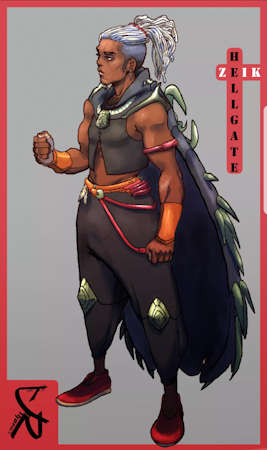

Zeik appeared within the onyx trench, his body sliding out of the shadow of the lone, surviving tree as if pulled by some reluctant tide.
The place was ugly and honest in its ruin: layered ash, splintered timber, the hollow shells of what had once been home. Corpses lay like fallen instruments, quieted mid-phrase — soldiers, mothers, children, animals — each one stripped not only of flesh but of story. The forest itself seemed to have learned how to mourn, leading its Axiom to the place of where sin was made into ritual.
Zeik walked the wound of the battlefield as a man might walk a memorial, slow and reverent. His boots found the hollows the same way his memory found names; every step mapped an absence. His eyes were not fierce. They were tired lenses that held the light of too many small deaths.
The forest whispered to its Axiom and it answered him: a scatter of pale lights, shivering ghosts stitched into the air. They unfurled scenes — a blur of people running toward the airship, a ragged line of defenders collapsing beneath something terrible, a flash of armor and the cold arc of an executioner’s wail. Zeik watched without sound. He watched as if watching could stitch back even a single lost heartbeat.
Regret sat like a stone at his throat. It had no voice here, only weight. Loss spread through him like a winter current — a withdrawn warmth that left him careful, measured, painfully aware of what had been taken. Where the familyb had been, an echo hummed: the laugh of a child, the tilt of a grandmother’s head. Those echoes hollowed his chest until anger rose to fill the space.
Anger was fierce and raw, immediate as a wound. Wrath was longer, colder; a coiled thing that consulted maps and patience. Both lit his hands with intent. Defense and obliteration laid side by side in his mind like two weapons on a table — one to keep, one to erase. He held both as if testing which would do less harm to a man who had already given too much.
There was a painful, sudden realization — not cinematic, but small and unbearable: that vengeance would not return the faces, would not refill emptied cradles. The truth of that washed over him and he blinked until his eyes stung. Tears came, not because they were hopeful but because they were honest. He tasted salt and soil and knew the price of what lay before him.
Deliberation took the shape of silence. He measured the distance to the fallen, the angle to the place where the executioner had stood. The enemy had a face now in his mind, hazy and precise at once. He did not shout. He did not pace. He let the slow mechanics of choice dress his fury into form.
Take your time,the forest whispered. His ribs expanding with measured breaths. The forest’s lights pulsed and whispered another intent. Take aim, his hands remembered the discipline of quiet precision. Take everything, a louder voice whispered, its sound, one that smelled of smoke and iron and finality. “@^!*.” The syllables were a hushed liturgy, a private cadence for the breaking of things.
“Sorry,” he mouthed — not to the dead, not to the living, but to a world that would be asked to pay, again, in blood. It was a single apologetic ember in an ocean of intent. Sacrifice arranged itself like a cloak across his shoulders: the sacrifices already paid, the ones he still might demand. Prayer slid in beside them, not as hope but as ballast — a bone-hard invocation for steadiness.
He felt the pulse of imbalance, the scale leaning with unbearable slowness. Zeik’s reflection was not a confession but a ledger: what he had kept, what he had lost, what he had chosen to become. Each memory was an item on that page, weighted and impossible to ignore. The forest watched him tally with a patient, indifferent light.
There was no grand speech. The scene demanded silence. Instead, his grief and rage braided inward until they formed a single instrument — precise, frightening, necessary. He breathed, slow as counting, and let the world compress into a point between his brows. The decision lived there: neither mercy nor cruelty alone, but whatever path might ensure fewer of these trenches in time to come.
As he stepped from edge to edge, Zeik did not look for absolution. He looked for a way to give meaning to the ruin, a narrow road through the wreckage that would not betray the dead by turning their ends into drunken spectacle. The forest’s lights dimmed and brightened, approving in a way that had nothing to do with pleasure.
When he finally raised his hand, the motion was small — almost trivial — but it carried a fullness of intent that filled the trench. He whispered the syllables again, “ @^!*.” A prayer and an oath and an apology, braided tight.
The Union of Earth and Sky
The Union of Earth and Sky
Everything posted by this account is official property of ©Vescrutia2018, no reproduction, or reposting of this content identical to or closely resembling is allowed.
Re: The Union of Earth and Sky
Zeik continued his slow circuit of the trench, each footfall a measured syllable in a litany of mourning. The ghosts the forest fed him did not relent — they recited the small, terrible dramas that had unfolded here: a mother bracing a child against her chest until the light left both of them, a line of fighters collapsing like a curtain, a silvered hand reaching for a blade that never found its mark. He watched each scene with the same hollow attention, as if cataloguing losses in a ledger no one would ever read.
When at last he lifted his hand, the world bent to answer.
His most notorious instrument—his pentagram—ripped through the soft soil beneath his boots like a thought made hard. The star’s point pierced earth and memory, and flame ran the lines outward, licking the trench until the heat wrote itself in shadow. Fire braided itself into a circle, a ring that sat like a wound around him. The air smelled of ozone.
Sigils rose along the rim, etching themselves in smoke and light as if some invisible hand was writing the final lines of a prayer. Sigils for clarity — to cut away doubt. Sigils of wrath — to lend his intent a sharpened edge. Sigils of renewal — to promise a grain of rebirth in the ruin. And one sigil he chose with a narrow, deliberate thought: the sigil of ferocity — a raw, guarded thing that embodied anger, violence, and the urge to defend what remained.
The sigil of ferocity hummed against his skin, not crude or mindless but disciplined; it taught restraint to rage and direction to force. It did not glorify bloodshed. It disciplined it into a precise instrument.
He had come to witness ruin and make meaning from the wreck. He understood, with a clarity that cut like glass, that to answer this wrong he would have to take a step toward the likeness of his foes. Not to become them in spirit, but to mirror their capacity for casualty with a colder, cleaner aim. The sacrifice that thought demanded sat in his throat like a stone. He set his jaw against it and steeled himself.
The pentagram’s fire did more than burn — it tuned. As the sigils arranged themselves, the circle inhaled the memory of the battlefield and exhaled understanding. The forest’s lights sharpened into lines that traced motion and sound: the retreat of armored feet, the scatter of mounts, the flare of lanterns moving like beetles in a river. Zeik’s Axiom replayed each stride of the enemy until their passage resolved into a map.
They fled toward Bhlia — first south by the broken road that carved the valley, then a hard turn east across the marsh where the old causeway still showed through mud like a spine. A smaller contingent had gone west along the ruined rail, hugging cover and moving under the moon’s blind edge. Their main force favored speed: a path that led northeast, past the withered ridge and over the three mile span where the pines stand crooked. Zeik saw where they paused: smoke over the horizon that marked a temporary camp, the glow of watchfires where tired men dreamed uneasy dreams. He watched the scouts slip into a fold of hills where caves yawned half-swallowed by bramble — the place where the enemy would sleep.
The knowledge was surgical. It came not as a shout but as a set of coordinates in his mind: a ridge marker, a fallen windmill, the turn in the causeway under which a broken waystone lay—these were threads he could follow. The forest offered him the enemy’s timing too; their watch rotations, the way the sentries favored the east approach because the west smelled of marsh. Even their guard’s guilty habits showed: one lantern nearly always left unattended on the second watch, one dog left untethered by the fire, one band of men who took turns singing to keep the cold out.
Zeik let the information settle into the circle. He did not yet move to violence; he was fashioning something else first. The pentagram’s flames braided love and memory into a template. He imagined a weapon like a blade of happening — not a simple sword but an instrument wrought from intent and sigilcraft: a shaft tempered with ruin’s memory, an edge honed to sever intention as well as flesh, runes carried into its alloy that would unmake the cohesion of those who bore malice. Precision would be its name: every strike not a tantrum but a calculus.
He felt the craft align with him. Each sigil lent a quality: clarity to find weakness, wrath to fuel the strike, renewal to ensure the strike healed more than it hurt, ferocity to keep the hand unshakeable when it mattered. He breathed, matching the pattern of the flaming ring, and began to draw shape from the air — the first gestures of forging made not with hammer and anvil but with thought and law.
He would learn where they slept; he would fashion the weapon. He would plan with the calm of someone arranging chess pieces while a storm raged beyond the window. The enemy’s retreat was now a map in his head; their sleep, a vulnerability. His craft would be the answer to their siege, an engineered end to skirmish.
"^!*." The syllables rolled off his tongue like a measured metronome. Sorry and prayer sat at the intersection of his resolve. He would not take for pleasure; he would take for end. He would make a tool that ended hunger for war and left his foes to nothing but obscurity.
The flames dimmed to a steady ember as the pentagram completed its work. In the hush that followed, Zeik set his face and began the long, exact work of shaping what must be used — and the plans by which he would strike.
When at last he lifted his hand, the world bent to answer.
His most notorious instrument—his pentagram—ripped through the soft soil beneath his boots like a thought made hard. The star’s point pierced earth and memory, and flame ran the lines outward, licking the trench until the heat wrote itself in shadow. Fire braided itself into a circle, a ring that sat like a wound around him. The air smelled of ozone.
Sigils rose along the rim, etching themselves in smoke and light as if some invisible hand was writing the final lines of a prayer. Sigils for clarity — to cut away doubt. Sigils of wrath — to lend his intent a sharpened edge. Sigils of renewal — to promise a grain of rebirth in the ruin. And one sigil he chose with a narrow, deliberate thought: the sigil of ferocity — a raw, guarded thing that embodied anger, violence, and the urge to defend what remained.
The sigil of ferocity hummed against his skin, not crude or mindless but disciplined; it taught restraint to rage and direction to force. It did not glorify bloodshed. It disciplined it into a precise instrument.
He had come to witness ruin and make meaning from the wreck. He understood, with a clarity that cut like glass, that to answer this wrong he would have to take a step toward the likeness of his foes. Not to become them in spirit, but to mirror their capacity for casualty with a colder, cleaner aim. The sacrifice that thought demanded sat in his throat like a stone. He set his jaw against it and steeled himself.
The pentagram’s fire did more than burn — it tuned. As the sigils arranged themselves, the circle inhaled the memory of the battlefield and exhaled understanding. The forest’s lights sharpened into lines that traced motion and sound: the retreat of armored feet, the scatter of mounts, the flare of lanterns moving like beetles in a river. Zeik’s Axiom replayed each stride of the enemy until their passage resolved into a map.
They fled toward Bhlia — first south by the broken road that carved the valley, then a hard turn east across the marsh where the old causeway still showed through mud like a spine. A smaller contingent had gone west along the ruined rail, hugging cover and moving under the moon’s blind edge. Their main force favored speed: a path that led northeast, past the withered ridge and over the three mile span where the pines stand crooked. Zeik saw where they paused: smoke over the horizon that marked a temporary camp, the glow of watchfires where tired men dreamed uneasy dreams. He watched the scouts slip into a fold of hills where caves yawned half-swallowed by bramble — the place where the enemy would sleep.
The knowledge was surgical. It came not as a shout but as a set of coordinates in his mind: a ridge marker, a fallen windmill, the turn in the causeway under which a broken waystone lay—these were threads he could follow. The forest offered him the enemy’s timing too; their watch rotations, the way the sentries favored the east approach because the west smelled of marsh. Even their guard’s guilty habits showed: one lantern nearly always left unattended on the second watch, one dog left untethered by the fire, one band of men who took turns singing to keep the cold out.
Zeik let the information settle into the circle. He did not yet move to violence; he was fashioning something else first. The pentagram’s flames braided love and memory into a template. He imagined a weapon like a blade of happening — not a simple sword but an instrument wrought from intent and sigilcraft: a shaft tempered with ruin’s memory, an edge honed to sever intention as well as flesh, runes carried into its alloy that would unmake the cohesion of those who bore malice. Precision would be its name: every strike not a tantrum but a calculus.
He felt the craft align with him. Each sigil lent a quality: clarity to find weakness, wrath to fuel the strike, renewal to ensure the strike healed more than it hurt, ferocity to keep the hand unshakeable when it mattered. He breathed, matching the pattern of the flaming ring, and began to draw shape from the air — the first gestures of forging made not with hammer and anvil but with thought and law.
He would learn where they slept; he would fashion the weapon. He would plan with the calm of someone arranging chess pieces while a storm raged beyond the window. The enemy’s retreat was now a map in his head; their sleep, a vulnerability. His craft would be the answer to their siege, an engineered end to skirmish.
"^!*." The syllables rolled off his tongue like a measured metronome. Sorry and prayer sat at the intersection of his resolve. He would not take for pleasure; he would take for end. He would make a tool that ended hunger for war and left his foes to nothing but obscurity.
The flames dimmed to a steady ember as the pentagram completed its work. In the hush that followed, Zeik set his face and began the long, exact work of shaping what must be used — and the plans by which he would strike.
Everything posted by this account is official property of ©Vescrutia2018, no reproduction, or reposting of this content identical to or closely resembling is allowed.
Re: The Union of Earth and Sky
Zeik stood at the center of the circle, the pentagram’s lines still burning, the air heavy with the scent of char and wet soil. The sigils around him pulsed — clarity, wrath, renewal, ferocity — each one breathing like a heart, waiting for purpose.
But this one… this last sigil would not simply destroy, It would erase. Burning away the disease of Hate, leaving nothing of its jind left.
It began as a point of light between his palms, a molten drop of intention that grew with every heartbeat. The forest stirred — its ancient consciousness whispering from the roots, through the leaves, through the bodies buried beneath.
The ground shuddered. The air tightened. And then they came.
The spirits.
First as shadows, barely-there silhouettes. Then as figures drawn from ash and memory. Soldiers with hollow eyes. Mothers with infants that no longer breathed. The old. The young. The defenders. The lost. They came without sound, pulled by the heat of Zeik’s will, gathering like moths to a pyre that promised meaning.
Their grief was the wind. Their sorrow, the drum.
Some faces twisted with rage, others with despair. They circled Zeik in a slow, spectral orbit, their whispers a chorus of unfinished prayers. He felt their anger crash against him — sharp, righteous, burning — until it began to merge with his own intent.
He did not flinch. He let them come. He opened his heart to their noise, to their agony, and the noise began to shape itself into rhythm. Grief became pulse. Pulse became purpose.
The flames of the pentagram rose higher, consuming shadow after shadow, until the circle burned white-hot — not with destruction, but with unyielding intent. The spirits saw this and, one by one, bowed their heads. Their anger softened into resolve. Their sorrow folded into his own. They lent him their strength, their fury, their shattered hopes.
Each soul became a spark drawn into the sigil, feeding the core of it, until Zeik’s form was haloed in a storm of souls. The sigils carved into the ground twisted inward, joining into one greater mark, one truth written in divine geometry.
The new symbol bloomed before him — vast, radiant, terrible. Its edges shifted like fire seen through water, each line engraved with the echo of the fallen. The ground quaked beneath it, and for a moment, it seemed the world itself held its breath.
He named it Boundless Spear
—But among the dead, it was known as **Khara** — the Word of Ending.
The khara is not a weapon in the mortal sense. It is an event, a release of all absorbed anguish, regret, and defiance transmuted into annihilation.
The spirits recognized this justice. They encircled Zeik tighter, not as mourners but as witnesses. Elvs. Humans. Even the slain soldiers of the enemies army. They found peace within his folds.
Their whispers grew unified, the sound rising into an ancient chant, one older than war, older than gods. It was the chant of balance restored — sorrow weaponized into reckoning.
The sigil pulsed. The air fractured. The circle filled with the light of countless souls lending their strength to the one man who would avenge them.
And when the last echo faded, Zeik stood alone again in the onyx trench — his hands still outstretched, his weapon incomplete but alive.
The Sigil of Annihilation throbbed beneath his feet, silent and waiting. He had not yet unleashed it.
Not yet.
First, he would follow the path the forest had shown him — to Bhlia, to where the enemy slept.
There, he would finish his work.
And when Khara was complete… the world would know what it meant when wrath was made righteous.
But this one… this last sigil would not simply destroy, It would erase. Burning away the disease of Hate, leaving nothing of its jind left.
It began as a point of light between his palms, a molten drop of intention that grew with every heartbeat. The forest stirred — its ancient consciousness whispering from the roots, through the leaves, through the bodies buried beneath.
The ground shuddered. The air tightened. And then they came.
The spirits.
First as shadows, barely-there silhouettes. Then as figures drawn from ash and memory. Soldiers with hollow eyes. Mothers with infants that no longer breathed. The old. The young. The defenders. The lost. They came without sound, pulled by the heat of Zeik’s will, gathering like moths to a pyre that promised meaning.
Their grief was the wind. Their sorrow, the drum.
Some faces twisted with rage, others with despair. They circled Zeik in a slow, spectral orbit, their whispers a chorus of unfinished prayers. He felt their anger crash against him — sharp, righteous, burning — until it began to merge with his own intent.
He did not flinch. He let them come. He opened his heart to their noise, to their agony, and the noise began to shape itself into rhythm. Grief became pulse. Pulse became purpose.
The flames of the pentagram rose higher, consuming shadow after shadow, until the circle burned white-hot — not with destruction, but with unyielding intent. The spirits saw this and, one by one, bowed their heads. Their anger softened into resolve. Their sorrow folded into his own. They lent him their strength, their fury, their shattered hopes.
Each soul became a spark drawn into the sigil, feeding the core of it, until Zeik’s form was haloed in a storm of souls. The sigils carved into the ground twisted inward, joining into one greater mark, one truth written in divine geometry.
The new symbol bloomed before him — vast, radiant, terrible. Its edges shifted like fire seen through water, each line engraved with the echo of the fallen. The ground quaked beneath it, and for a moment, it seemed the world itself held its breath.
He named it Boundless Spear
—But among the dead, it was known as **Khara** — the Word of Ending.
The khara is not a weapon in the mortal sense. It is an event, a release of all absorbed anguish, regret, and defiance transmuted into annihilation.
The spirits recognized this justice. They encircled Zeik tighter, not as mourners but as witnesses. Elvs. Humans. Even the slain soldiers of the enemies army. They found peace within his folds.
Their whispers grew unified, the sound rising into an ancient chant, one older than war, older than gods. It was the chant of balance restored — sorrow weaponized into reckoning.
The sigil pulsed. The air fractured. The circle filled with the light of countless souls lending their strength to the one man who would avenge them.
And when the last echo faded, Zeik stood alone again in the onyx trench — his hands still outstretched, his weapon incomplete but alive.
The Sigil of Annihilation throbbed beneath his feet, silent and waiting. He had not yet unleashed it.
Not yet.
First, he would follow the path the forest had shown him — to Bhlia, to where the enemy slept.
There, he would finish his work.
And when Khara was complete… the world would know what it meant when wrath was made righteous.
Everything posted by this account is official property of ©Vescrutia2018, no reproduction, or reposting of this content identical to or closely resembling is allowed.
Re: The Union of Earth and Sky
Zeik did not hurry from his post once the rune was fashioned. His purpose was dualistic in nature. He needed to not just be able to vanquish his foe, but also to find them. He began. His naten rising to his finger tips, his body still radiating power from his first creation.
The boundless runes were created by The First Kings. Nine elder hellgate members who formed the very fabric of hellgahn tapestry. Only a handful of individuals were ever able to wield them after the kings departed from the realm and none had forged a new rune since their conception.
Yet, the wizard armed with knowledge of his role as Axion had traversed the impossible.
Where S’Khara would be an event of terrifying power— the next rune demanded a different kind of violence: the slow, surgical unmasking of what men pretended was whole. He settled again into the center of the pentagram, the sigils around him still warm like a reef of living coals. The ferocity sigil hummed beside clarity, wrath braided with renewal; now those sigils would learn a new language.
He closed his eyes and let the forest and its spirits take him outward and inward at once. Time thinned until centuries stacked like leaves. He stood in the hush between wars and saw the same patterns mirrored across ages — kings who learned cruelty as a tool, merchants who bartered truth for comfort, priests who sold solace wrapped in lies. He watched famines that had been managed into profit, harvests thrown to rot so a ledger could shine. He watched future winters arrive early in the bones of children who had not yet been born. Each scene landed on him not as accusation but as evidence: patterns of neglect, slippages of sympathy, the slow corrosion of the knot that bound people to one another.
This last reflection — the facet he knew at the marrow — was connection. He felt it like a current threading through every scene: the same river of consequence that ran from a senator’s decree to a mother’s empty pantry, from a horseman’s shadowed bargain to a child’s quiet hunger. Ignorance was not a failing of single hearts so much as a rot in the network of care; to cleave illusions, he would have to illuminate the threads that had been knotted and hidden.
He pulled the sanctus crystal from beneath his robes, its tiny fragment nestling against his sternum like a heartbeat in glass. The fragment was more than an old world relic; it was a memory made stone — a piece of the world that refused to be broken. He laid it at the pentagram’s center and he ignited the sigils again, but now their lines braided into a new geometry. Clarity’s rune sharpened into a blade; wrath’s curve eased into a lens; renewal became a mirror. S’Khara’s shadow leaned close, lending its catastrophic focus so the rune might take aim not at everything, but at spectacle-built deceit.
The dead gathered as before, but this time their presence was not a storm; it was a choir. They did not thrust their sorrow into the ring so much as offer their seeing — the burned memories that had cut clean through pretense. They granted him the taste of what it was to look upon a lie and know its shape. The anger among the spirits beat like a drum at first, then softened as clarity moved through the circle: they understood that revelation was not vengeance by proxy but the only path out of endless maiming. One by one, their insistence became concentrated light poured into the sanctus crystal, where it pooled like quicksilver.
Zeik forged his intention with the same discipline he had used for S’Khara but with a gentler hand. Where the pentagram had split earth, here he tapped the air, coaxing the metal of mind to remember truth. He sang no words aloud — only the old cadence of s'karra — a metronome steadying the storm of memory. The ring took shape from alloy and thought: not wide or gaudy, but narrow as a vow, banded like a closed eye opened only when needed.
When it was nearly formed, he spoke its name in the low place of his chest so that the wind could carry it to the sleeping world: “Aletheion” — the Unveiling Band. The name tasted like salt, smelled of sulfer and shimmered like mercury; it fit the ring’s purpose as if destiny and design had both agreed.
He observed his work with a smile.
Sanyassi would not force truth into people’s minds. It strips the veils that illusions use to cloak themselves. When activated, the ring would radiate a subtle field of unveiling within sight and breath: glamours falter, falsehoods fray, masks that hold lies in place, shiver and peel. Contracts and whispers woven with shadow lose their binding; auguries and whisper-magic that rely on obscurity become transparent. The rune, sannyasi brings hidden structures of deceit into focus — the ledger that hides famines, the oath that chains a city to ruin, the bargain a horseman made beneath a false name. Those who have built power on misdirection will find their scaffolding revealed; those who survived on true work, on love and care, will find themselves left untouched and, often, horrified by the truth they had been denied.
There is a cost. Revelation cleaves. When a lie has become the spine of a life, truth can break a person as reliably as a sword. The ring cannot choose mercy for those truths; it only lays them bare. For that reason the fallen watched Zeik craft it and lent him not only their sight but their restraint—so that Sannyasi
might be wielded to restore the knot between people rather than to tear it to pieces out of cruelty.
When Zeik slid Aletheion over his finger, the sanctus shard at the ring’s heart flared — not a scream of power, but the hush of a bell struck in a clear chapel. The world around him sharpened. He saw the threads of connection as faint lines of silver, tugging between a lord and the bread he refused to share, between a herald’s lie and the child who believed it. The forest’s lights turned into a map of influence and omission; the paths the horsemen had taken were no longer just footprints in mud but a web of bargains leading to a single dark well.
He did not raise the ring like a banner. He breathed and let the revelation settle into him. With Aletheion using Sannyasi and S’Khara together, he now held both sight and end: one that would show the world the sickness beneath its skin, the other that could excise the malignancy once its shape was known. The dead circled him once more, voices low and approving. The task ahead was twin-headed: unveil, then unmake.
Outside the trench the map the forest had given him lay clear in his mind — the roads to Bhalia, the camps in the marsh, the caves in the bramble. He would finish the work and he would begin, at last, to unravel the web that let Armegadon’s agents wear the world like a cloak.
Zeik straightened his posture. The ring cool against his knuckle was a quiet, heavy promise. He tightened his cloak, felt the sanctus shard’s steady pulse against his skin and walked from the onyx wilds with the ghosts at his heels and the future folding itself into his step.
The boundless runes were created by The First Kings. Nine elder hellgate members who formed the very fabric of hellgahn tapestry. Only a handful of individuals were ever able to wield them after the kings departed from the realm and none had forged a new rune since their conception.
Yet, the wizard armed with knowledge of his role as Axion had traversed the impossible.
Where S’Khara would be an event of terrifying power— the next rune demanded a different kind of violence: the slow, surgical unmasking of what men pretended was whole. He settled again into the center of the pentagram, the sigils around him still warm like a reef of living coals. The ferocity sigil hummed beside clarity, wrath braided with renewal; now those sigils would learn a new language.
He closed his eyes and let the forest and its spirits take him outward and inward at once. Time thinned until centuries stacked like leaves. He stood in the hush between wars and saw the same patterns mirrored across ages — kings who learned cruelty as a tool, merchants who bartered truth for comfort, priests who sold solace wrapped in lies. He watched famines that had been managed into profit, harvests thrown to rot so a ledger could shine. He watched future winters arrive early in the bones of children who had not yet been born. Each scene landed on him not as accusation but as evidence: patterns of neglect, slippages of sympathy, the slow corrosion of the knot that bound people to one another.
This last reflection — the facet he knew at the marrow — was connection. He felt it like a current threading through every scene: the same river of consequence that ran from a senator’s decree to a mother’s empty pantry, from a horseman’s shadowed bargain to a child’s quiet hunger. Ignorance was not a failing of single hearts so much as a rot in the network of care; to cleave illusions, he would have to illuminate the threads that had been knotted and hidden.
He pulled the sanctus crystal from beneath his robes, its tiny fragment nestling against his sternum like a heartbeat in glass. The fragment was more than an old world relic; it was a memory made stone — a piece of the world that refused to be broken. He laid it at the pentagram’s center and he ignited the sigils again, but now their lines braided into a new geometry. Clarity’s rune sharpened into a blade; wrath’s curve eased into a lens; renewal became a mirror. S’Khara’s shadow leaned close, lending its catastrophic focus so the rune might take aim not at everything, but at spectacle-built deceit.
The dead gathered as before, but this time their presence was not a storm; it was a choir. They did not thrust their sorrow into the ring so much as offer their seeing — the burned memories that had cut clean through pretense. They granted him the taste of what it was to look upon a lie and know its shape. The anger among the spirits beat like a drum at first, then softened as clarity moved through the circle: they understood that revelation was not vengeance by proxy but the only path out of endless maiming. One by one, their insistence became concentrated light poured into the sanctus crystal, where it pooled like quicksilver.
Zeik forged his intention with the same discipline he had used for S’Khara but with a gentler hand. Where the pentagram had split earth, here he tapped the air, coaxing the metal of mind to remember truth. He sang no words aloud — only the old cadence of s'karra — a metronome steadying the storm of memory. The ring took shape from alloy and thought: not wide or gaudy, but narrow as a vow, banded like a closed eye opened only when needed.
When it was nearly formed, he spoke its name in the low place of his chest so that the wind could carry it to the sleeping world: “Aletheion” — the Unveiling Band. The name tasted like salt, smelled of sulfer and shimmered like mercury; it fit the ring’s purpose as if destiny and design had both agreed.
He observed his work with a smile.
Sanyassi would not force truth into people’s minds. It strips the veils that illusions use to cloak themselves. When activated, the ring would radiate a subtle field of unveiling within sight and breath: glamours falter, falsehoods fray, masks that hold lies in place, shiver and peel. Contracts and whispers woven with shadow lose their binding; auguries and whisper-magic that rely on obscurity become transparent. The rune, sannyasi brings hidden structures of deceit into focus — the ledger that hides famines, the oath that chains a city to ruin, the bargain a horseman made beneath a false name. Those who have built power on misdirection will find their scaffolding revealed; those who survived on true work, on love and care, will find themselves left untouched and, often, horrified by the truth they had been denied.
There is a cost. Revelation cleaves. When a lie has become the spine of a life, truth can break a person as reliably as a sword. The ring cannot choose mercy for those truths; it only lays them bare. For that reason the fallen watched Zeik craft it and lent him not only their sight but their restraint—so that Sannyasi
might be wielded to restore the knot between people rather than to tear it to pieces out of cruelty.
When Zeik slid Aletheion over his finger, the sanctus shard at the ring’s heart flared — not a scream of power, but the hush of a bell struck in a clear chapel. The world around him sharpened. He saw the threads of connection as faint lines of silver, tugging between a lord and the bread he refused to share, between a herald’s lie and the child who believed it. The forest’s lights turned into a map of influence and omission; the paths the horsemen had taken were no longer just footprints in mud but a web of bargains leading to a single dark well.
He did not raise the ring like a banner. He breathed and let the revelation settle into him. With Aletheion using Sannyasi and S’Khara together, he now held both sight and end: one that would show the world the sickness beneath its skin, the other that could excise the malignancy once its shape was known. The dead circled him once more, voices low and approving. The task ahead was twin-headed: unveil, then unmake.
Outside the trench the map the forest had given him lay clear in his mind — the roads to Bhalia, the camps in the marsh, the caves in the bramble. He would finish the work and he would begin, at last, to unravel the web that let Armegadon’s agents wear the world like a cloak.
Zeik straightened his posture. The ring cool against his knuckle was a quiet, heavy promise. He tightened his cloak, felt the sanctus shard’s steady pulse against his skin and walked from the onyx wilds with the ghosts at his heels and the future folding itself into his step.
Everything posted by this account is official property of ©Vescrutia2018, no reproduction, or reposting of this content identical to or closely resembling is allowed.
-
Aerys Hellgate
- Drifter
- Posts: 44
- Joined: Sun Sep 18, 2022 11:18 am
Re: The Union of Earth and Sky
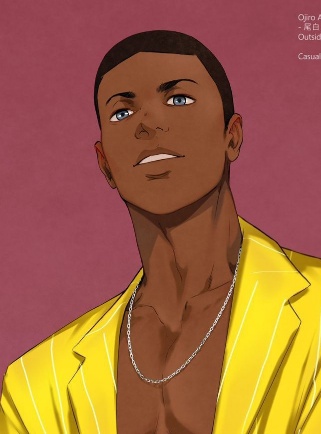
Aerys cut through the sky like a comet, a streak of living flame against the cold expanse of the sky above. The wind screamed past his ears, tearing across his face as desert and dune unfurled beneath him in endless waves of gold.
In time, the sands of the Acrix faded into a haze behind him. Ahead, the world bled into green: the Forest of Resonance, sprawling like a living ocean, vast and untamed.
The sound of his flight was a thunderclap on the edge of heaven. Each pulse of flame from his palms sent him surging faster, the air rippling and bending around his trail. He could feel his pulse syncing with the rhythm of the world — a primal beat urging him forward.
“The Cursed Flame..” He muttered under his breath. “Tch.. maybe some legends oughta’ stay that way..”
The echoes of the Crown Meeting still lingered — the warnings of foreboding doom and the need for unity amongst the Nine now, more than ever. He reflected mostly on the words of the youngest crown—the way she spoke with such conviction, commanding the clans to act as one. He admired her for it. But Aerys simply couldn't deny his own ambitions.
He wanted answers — and Zeik Hellgate was the only one who could give them.
The man had once been the Acrix’s greatest weapon. The Vesta Crown whose power and legend helped sculpt generations of warriors, teachers, leaders of men. Aerys had heard the stories since childhood: how his presence gaze could surf the veil between realms, or how his arcanium of spells could still the sands of time. He'd heard hundreds of tales, all painting him in some light of invincibility. But if that was true– if any of it were true, then why did he vanish? Why had he turned his back when his world needed him most?
These questions gnawed at Aerys as the last streaks of his homeland disappeared behind him. The air grew thicker, cooler. The sky darkened to emerald hues as he descended over the edge of the Forest of Resonance—a colossal sea of jade that breathed like a single, sentient being. Every leaf shimmered with unnatural light, bending toward or away from him as if aware of his intent.
For the first time in what felt like hours, he slowed. The purple flames engulfing him dimmed to a dull glow, his feet grazing the air currents just above the canopy.
Aerys descended further. The wind shifted, carrying with it the scent of ash. The world here hummed—low and melodic, a sound that seemed to vibrate through his bones. He whistled softly as he looked around. He felt as if he'd drifted upon sacred ground. An oasis, untouched and tarnished. It was.. surreal.
Aerys had never traveled here before; he never had a reason to, as this particular region of Muu never seemed to concern the Acrix. But being here for just a few moments left him enchanted. He'd nearly forgotten why he came.
“Well hell.. If this is the place, then I think I get it.” He mused, his eyes studying the lush greenery. The exotic flora; plants and trees bearing fruits and flowers he'd never seen before. A pack of foreign animals clung beneath their shade, studying the flying brown skinned man just as he did them.
The cry from a rising flock of cerulean birds broke his trance and caught his attention. He saw them rushing through the clouds as if provoked or startled from something burrowed in the trees.
Then, he saw it.
Beneath the emerald ocean of trees stretched a graveyard—a scar carved into paradise. A wasteland of charred soil and broken steel. Here, those exotic trees were reduced to little more than blackened stalks, their leaves kindled to dust. And huddled beneath them, was a litter of battered corpses, held together by shattered armor.
“..oh.”
His breath caught in his throat, peering through the smoke curling from the patches of smoldering ruin.
Bodies littered the ground— hundreds, maybe thousands—armored in strange, foreign metal that caught the dull light in ghostly hues.
He said to himself as he took the time to study the fallen soldiers. He floated low enough to brush the soot from a shattered crest and immediately, he recognized their sigils. The etched runes of imperial conquest ingrained into the plates of their armor. These were Bhalian infantry.
He clicked his tongue. “Rest in piss.” And in that moment, Aerys felt the empathy fade rapidly from his heart, replaced now by a cold, analytical stillness.
“..I'm guessin’ this is where it happened.” he whispered, awe and unease haunting him. The last Bhalian incursion. Tal'm informed him that the Empire's forces had reached the borders of Muu—targeting human civilizations and wiping them out indiscriminately. It was haunting to hear about, but to see it? To stand amid the grisly proof was an entirely different caliber of dread.
However.. despite the amassed prestige this untouchable Empire possessed. A thought tore at him. Considering all the Bhalian husks lying along the charred ground.. if they were truly so formidable.
“Who, or what could have handed them their asses like this?”
He touched down lightly, his bare feet sinking into the ashen soil. Every step crunched bones, metal, or shattered glass along his impervious skin. The forest’s hum was gone now, replaced by the faint echo of something else. Aerys felt it, the air shimmering faintly with residual energy—it felt.. harmonic, but incredibly powerful. Enough to pin Aerys’ ear back with anxiety.
Then, movement.
He noticed a lone figure wandering amidst the dead; a walking cloak tattered and dark with soot. His gait was heavy but unhurried. From this distance, Aerys couldn’t tell if the man was wounded, simply lost.. or maybe a straggling Bhalian soldier. He called out—his voice cracking through the still air like a whip.
“Oi!!”
Aerys flared brighter, rippling across the scorched plain like a living comet, landing behind the figure with graceful finesse.
“Care to share what happened here, mate?” he asked calmly, flames still licking along his flowing shirt. His voice was light, but edged. “Not sure if you're noticed, but you’re standing on a battlefield—well, it used to be. It's more of a graveyard now. You wouldn't happened to be responsible for that, would ya?"
In time, the sands of the Acrix faded into a haze behind him. Ahead, the world bled into green: the Forest of Resonance, sprawling like a living ocean, vast and untamed.
The sound of his flight was a thunderclap on the edge of heaven. Each pulse of flame from his palms sent him surging faster, the air rippling and bending around his trail. He could feel his pulse syncing with the rhythm of the world — a primal beat urging him forward.
“The Cursed Flame..” He muttered under his breath. “Tch.. maybe some legends oughta’ stay that way..”
The echoes of the Crown Meeting still lingered — the warnings of foreboding doom and the need for unity amongst the Nine now, more than ever. He reflected mostly on the words of the youngest crown—the way she spoke with such conviction, commanding the clans to act as one. He admired her for it. But Aerys simply couldn't deny his own ambitions.
He wanted answers — and Zeik Hellgate was the only one who could give them.
The man had once been the Acrix’s greatest weapon. The Vesta Crown whose power and legend helped sculpt generations of warriors, teachers, leaders of men. Aerys had heard the stories since childhood: how his presence gaze could surf the veil between realms, or how his arcanium of spells could still the sands of time. He'd heard hundreds of tales, all painting him in some light of invincibility. But if that was true– if any of it were true, then why did he vanish? Why had he turned his back when his world needed him most?
These questions gnawed at Aerys as the last streaks of his homeland disappeared behind him. The air grew thicker, cooler. The sky darkened to emerald hues as he descended over the edge of the Forest of Resonance—a colossal sea of jade that breathed like a single, sentient being. Every leaf shimmered with unnatural light, bending toward or away from him as if aware of his intent.
For the first time in what felt like hours, he slowed. The purple flames engulfing him dimmed to a dull glow, his feet grazing the air currents just above the canopy.
Aerys descended further. The wind shifted, carrying with it the scent of ash. The world here hummed—low and melodic, a sound that seemed to vibrate through his bones. He whistled softly as he looked around. He felt as if he'd drifted upon sacred ground. An oasis, untouched and tarnished. It was.. surreal.
Aerys had never traveled here before; he never had a reason to, as this particular region of Muu never seemed to concern the Acrix. But being here for just a few moments left him enchanted. He'd nearly forgotten why he came.
“Well hell.. If this is the place, then I think I get it.” He mused, his eyes studying the lush greenery. The exotic flora; plants and trees bearing fruits and flowers he'd never seen before. A pack of foreign animals clung beneath their shade, studying the flying brown skinned man just as he did them.
The cry from a rising flock of cerulean birds broke his trance and caught his attention. He saw them rushing through the clouds as if provoked or startled from something burrowed in the trees.
Then, he saw it.
Beneath the emerald ocean of trees stretched a graveyard—a scar carved into paradise. A wasteland of charred soil and broken steel. Here, those exotic trees were reduced to little more than blackened stalks, their leaves kindled to dust. And huddled beneath them, was a litter of battered corpses, held together by shattered armor.
“..oh.”
His breath caught in his throat, peering through the smoke curling from the patches of smoldering ruin.
Bodies littered the ground— hundreds, maybe thousands—armored in strange, foreign metal that caught the dull light in ghostly hues.
He said to himself as he took the time to study the fallen soldiers. He floated low enough to brush the soot from a shattered crest and immediately, he recognized their sigils. The etched runes of imperial conquest ingrained into the plates of their armor. These were Bhalian infantry.
He clicked his tongue. “Rest in piss.” And in that moment, Aerys felt the empathy fade rapidly from his heart, replaced now by a cold, analytical stillness.
“..I'm guessin’ this is where it happened.” he whispered, awe and unease haunting him. The last Bhalian incursion. Tal'm informed him that the Empire's forces had reached the borders of Muu—targeting human civilizations and wiping them out indiscriminately. It was haunting to hear about, but to see it? To stand amid the grisly proof was an entirely different caliber of dread.
However.. despite the amassed prestige this untouchable Empire possessed. A thought tore at him. Considering all the Bhalian husks lying along the charred ground.. if they were truly so formidable.
“Who, or what could have handed them their asses like this?”
He touched down lightly, his bare feet sinking into the ashen soil. Every step crunched bones, metal, or shattered glass along his impervious skin. The forest’s hum was gone now, replaced by the faint echo of something else. Aerys felt it, the air shimmering faintly with residual energy—it felt.. harmonic, but incredibly powerful. Enough to pin Aerys’ ear back with anxiety.
Then, movement.
He noticed a lone figure wandering amidst the dead; a walking cloak tattered and dark with soot. His gait was heavy but unhurried. From this distance, Aerys couldn’t tell if the man was wounded, simply lost.. or maybe a straggling Bhalian soldier. He called out—his voice cracking through the still air like a whip.
“Oi!!”
Aerys flared brighter, rippling across the scorched plain like a living comet, landing behind the figure with graceful finesse.
“Care to share what happened here, mate?” he asked calmly, flames still licking along his flowing shirt. His voice was light, but edged. “Not sure if you're noticed, but you’re standing on a battlefield—well, it used to be. It's more of a graveyard now. You wouldn't happened to be responsible for that, would ya?"
Re: The Union of Earth and Sky
The wind sighed across the trench like a dying breath, carrying with it the iron scent of blood long dried and the soft crumble of ash. The battlefield — once a home, once alive — now lay like a wound that refused to close.
Aersy moved through it, boots sinking in the powder of ruin. He had come chasing a legend, a name whispered through the broken lines of the Hellgate bloodlines — Zeik, the Wanderer of Worlds, the cursed Flame, the man who had walked with gods and returned with ash in his hair. He had expected thunder. He had expected grandeur. What he found instead was silence, heavy and deliberate.
From the shadow of a dead tree, Zeik stood with his back turned. His figure was half-swallowed by smoke and the faint shimmer of sigils burned into the ground. The remnants of the pentagram still glowed faintly beneath his feet, each line humming with restrained violence.
When Zeik turned, Aersy almost didn’t recognize him.
The man was cloaked in soot, his black robes tattered at the edges, their fabric catching faint streaks of red where dried blood had turned to dust. Blood-red jewels adorned the folds of his sleeves and belt — tokens of power, not vanity — each one faintly pulsing with inner fire. Around his hands and wrists, faint blue veins of light traced themselves in rhythm with his heartbeat, the glow of the Sanctus ring alive with cold illumination.
His face was solemn — the calm of a storm’s eye — but the air around him pulsed with naten, raw and untamed. It flowed like liquid light, rising and falling in waves that shimmered between serenity and fury. To stand near him was to feel the contradiction of creation itself: the peace of still water and the terror of what lay beneath.
His presence stirred the instincts of all beings, as it screamed power. Aersy blood, trained in the Hellgate ways, recognized what his mind may have refused to believe — the density of energy, the impossible stillness within movement, the intent that hummed between Zeik’s breaths.
And yet, this was not the Zeik of stories. Not the god-slayer, not the wanderer wrapped in gold and thunder. This was something quieter, something heavier.
Zeik’s gaze lifted, slow and exact. His eyes — one faintly aglow, the other dull and hollow — read Aersy as though the younger man were a page opened before him.
Zeik’s senses moved through him like tides. He read Aersy’s intent in the way his feet angled, the faint hesitation in his exhale, the rhythm of his pulse against the shifting wind. The universe itself whispered through him — the scent of copper and sweat, the faint hum of aura clinging to Aersy’s fist, even the position of the stars bending light against his outline.
Zeik saw it all.
And with it, he understood.
He knew precisely why the Crown had come. Not from rumor, not from divination, but from the language of the world itself — the way truth bent around purpose.
Yet he said nothing.
He simply watched.
The ghosts that had gathered earlier still lingered in the mist, their pale forms orbiting him like moths uncertain of flame. The quiet stretched, thick as smoke, until Zeik’s breath finally broke it.
His voice was low, steady, almost gentle — but the weight of it carried through the trench like thunder buried in the earth.
“This…”
he said, his gaze drifting over the bodies, over the sigils, over the ruins that reeked of slaughter.
“This is the result of gifting hatred unbridled power.”
The words hit the silence like a verdict. The air around the pentagram trembled, the faint blue light of the ring flaring in response, its pulse syncing with the rhythm of Zeik’s heart — and the countless hearts that had once beat here.
The trench seemed to breathe. The souls flickered in answer. And for a moment, the forest reflected the truth hidden beneath Zeik’s calm exterior.
This was not a legend.
This was a reckoning wearing human skin.
Aersy moved through it, boots sinking in the powder of ruin. He had come chasing a legend, a name whispered through the broken lines of the Hellgate bloodlines — Zeik, the Wanderer of Worlds, the cursed Flame, the man who had walked with gods and returned with ash in his hair. He had expected thunder. He had expected grandeur. What he found instead was silence, heavy and deliberate.
From the shadow of a dead tree, Zeik stood with his back turned. His figure was half-swallowed by smoke and the faint shimmer of sigils burned into the ground. The remnants of the pentagram still glowed faintly beneath his feet, each line humming with restrained violence.
When Zeik turned, Aersy almost didn’t recognize him.
The man was cloaked in soot, his black robes tattered at the edges, their fabric catching faint streaks of red where dried blood had turned to dust. Blood-red jewels adorned the folds of his sleeves and belt — tokens of power, not vanity — each one faintly pulsing with inner fire. Around his hands and wrists, faint blue veins of light traced themselves in rhythm with his heartbeat, the glow of the Sanctus ring alive with cold illumination.
His face was solemn — the calm of a storm’s eye — but the air around him pulsed with naten, raw and untamed. It flowed like liquid light, rising and falling in waves that shimmered between serenity and fury. To stand near him was to feel the contradiction of creation itself: the peace of still water and the terror of what lay beneath.
His presence stirred the instincts of all beings, as it screamed power. Aersy blood, trained in the Hellgate ways, recognized what his mind may have refused to believe — the density of energy, the impossible stillness within movement, the intent that hummed between Zeik’s breaths.
And yet, this was not the Zeik of stories. Not the god-slayer, not the wanderer wrapped in gold and thunder. This was something quieter, something heavier.
Zeik’s gaze lifted, slow and exact. His eyes — one faintly aglow, the other dull and hollow — read Aersy as though the younger man were a page opened before him.
Zeik’s senses moved through him like tides. He read Aersy’s intent in the way his feet angled, the faint hesitation in his exhale, the rhythm of his pulse against the shifting wind. The universe itself whispered through him — the scent of copper and sweat, the faint hum of aura clinging to Aersy’s fist, even the position of the stars bending light against his outline.
Zeik saw it all.
And with it, he understood.
He knew precisely why the Crown had come. Not from rumor, not from divination, but from the language of the world itself — the way truth bent around purpose.
Yet he said nothing.
He simply watched.
The ghosts that had gathered earlier still lingered in the mist, their pale forms orbiting him like moths uncertain of flame. The quiet stretched, thick as smoke, until Zeik’s breath finally broke it.
His voice was low, steady, almost gentle — but the weight of it carried through the trench like thunder buried in the earth.
“This…”
he said, his gaze drifting over the bodies, over the sigils, over the ruins that reeked of slaughter.
“This is the result of gifting hatred unbridled power.”
The words hit the silence like a verdict. The air around the pentagram trembled, the faint blue light of the ring flaring in response, its pulse syncing with the rhythm of Zeik’s heart — and the countless hearts that had once beat here.
The trench seemed to breathe. The souls flickered in answer. And for a moment, the forest reflected the truth hidden beneath Zeik’s calm exterior.
This was not a legend.
This was a reckoning wearing human skin.
Everything posted by this account is official property of ©Vescrutia2018, no reproduction, or reposting of this content identical to or closely resembling is allowed.
-
Aerys Hellgate
- Drifter
- Posts: 44
- Joined: Sun Sep 18, 2022 11:18 am
Re: The Union of Earth and Sky
Aerys blinked against the haze, the faint shimmer of heat still curling from his skin as the figure before him turned.
For a moment, he didn’t speak. The man standing in the ruin didn’t look like a myth — didn’t feel like one either. There was no crown, no divine radiance, no grandiose sign of the god-slayer of legend. Just a man. A quiet, steady thing cloaked in soot and silence.
And yet, when the figure finally spoke—Aerys felt it.
It pressed against him like the weight of the ocean. The hairs on his neck rose, as if the temperature suddenly spiked to zero. It was eerie. Immediately, Aerys knew this wasn’t just power. This was something else entirely emanating from this figure like heat from a furnace.
A slow grin tugged at his lips.
“..it's you innit?” he said, voice breaking the still air like nails to a chalkboard, “Hah–yeah, if you ain’t Zeik Hellgate, then I suppose I owe some poor bastard an apology.”
He tilted his head, studying the man’s expression — the faint glow from his hand, the way the air seemed to bend around him.. and the faint shimmer from the rune beneath him. “Can’t say you match the portraits. No blindfold. Little less gold and glory. Bit more… dystopic chic.”
Aerys took a few steps closer, his feet crunching through the ash. “Didn’t mean to interrupt your—uh— stroll? Just heard a lot about ya, and thought I’d be lucky enough to find you, not—” he motioned lazily at the field of corpses “—a fuckin’ abattoir..”
He said with a smirk.
“..I guessin' you’re the reason the Empire’s best didn’t make it home?” he said, his tone light, though his eyes searched Zeik’s as if he could find something within them. But he only felt restrained fury. As if he'd witnessed enough pain and dread to wither the souls of most men. “Not that I’m complainin’, mind you. Bloody well done. Though, can't say I would have minded roasting them m'self.”
He slipped his hands into his pockets, posture relaxed, as though standing before this titan of legend was nothing more than another conversation. “But to get to the point—” his voice lowered slightly, almost curious “—if ya are who I think ya are… I gotta ask.”
Aerys gestured loosely to the smoldering horizon.
“Why here? Why now? The world’s coming apart, mate. And you’re out here in the middle of nowhere, talkin’ to smoke.. when your people at the Acrix could use your help. Or shit.. at least those scrolls you stole.”
He paused—allowing a beat of awkward self awareness before he nervously scratched his head. “Ah shit.. that was rude, wasn't it?”
For a moment, he didn’t speak. The man standing in the ruin didn’t look like a myth — didn’t feel like one either. There was no crown, no divine radiance, no grandiose sign of the god-slayer of legend. Just a man. A quiet, steady thing cloaked in soot and silence.
And yet, when the figure finally spoke—Aerys felt it.
It pressed against him like the weight of the ocean. The hairs on his neck rose, as if the temperature suddenly spiked to zero. It was eerie. Immediately, Aerys knew this wasn’t just power. This was something else entirely emanating from this figure like heat from a furnace.
A slow grin tugged at his lips.
“..it's you innit?” he said, voice breaking the still air like nails to a chalkboard, “Hah–yeah, if you ain’t Zeik Hellgate, then I suppose I owe some poor bastard an apology.”
He tilted his head, studying the man’s expression — the faint glow from his hand, the way the air seemed to bend around him.. and the faint shimmer from the rune beneath him. “Can’t say you match the portraits. No blindfold. Little less gold and glory. Bit more… dystopic chic.”
Aerys took a few steps closer, his feet crunching through the ash. “Didn’t mean to interrupt your—uh— stroll? Just heard a lot about ya, and thought I’d be lucky enough to find you, not—” he motioned lazily at the field of corpses “—a fuckin’ abattoir..”
He said with a smirk.
“..I guessin' you’re the reason the Empire’s best didn’t make it home?” he said, his tone light, though his eyes searched Zeik’s as if he could find something within them. But he only felt restrained fury. As if he'd witnessed enough pain and dread to wither the souls of most men. “Not that I’m complainin’, mind you. Bloody well done. Though, can't say I would have minded roasting them m'self.”
He slipped his hands into his pockets, posture relaxed, as though standing before this titan of legend was nothing more than another conversation. “But to get to the point—” his voice lowered slightly, almost curious “—if ya are who I think ya are… I gotta ask.”
Aerys gestured loosely to the smoldering horizon.
“Why here? Why now? The world’s coming apart, mate. And you’re out here in the middle of nowhere, talkin’ to smoke.. when your people at the Acrix could use your help. Or shit.. at least those scrolls you stole.”
He paused—allowing a beat of awkward self awareness before he nervously scratched his head. “Ah shit.. that was rude, wasn't it?”
Re: The Union of Earth and Sky
Zeik listened while Aerys spilled himself into the ash—grins, jibes, the casual cruelty of a young man trying to measure legend with bravado. He let the boy speak; his silence was an instrument, not indifference. The ghosts at his shoulders drew in closer as if to hear what the living might say, their pale faces like the inside of a shuttered room.
When Aerys finished, Zeik’s expression did not change. The soot on his robes, the red jewels dulled by dust, the blue hum at his knuckle — none of it betrayed the storm beneath. He folded his hands before him and, with a voice that fell like a ruler and measured the space between two points, he began.
“Listen close,” he said, and the wind leaned as if to obey. “The slaughter here was not random. It was a harvest, reaped by strategy and cruelty. The executioner you speak of fell to a blade that was not of our order.”
He let that hang, then wove what he had seen into the room between them — not for boasting, but to set the record straight.
“It was felled by a stranger whose hand moved like a storm,” Zeik continued. “Not an army’s camp nor the Empire’s champions. A single figure—quiet, precise—who stepped from the chaos and struck at the hinge of their beast. It moved as though they'd been intimate with loss for a long time: lightning in their blood, a venom in their tail.
The ghosts murmured then — the sound of pages turned in a chapel of stone — and Zeik's face shifted from smirk to the thin, curious worry of a man who senses a deeper current.
Zeik did not point to name or fame. He offered the truth and then folded it back into silence, as one might fold a map for a journey still to be made.
“As for why I stand in this trench,” he said, and now the gravity in his words gathered all the years and small cruelties into a single principle. “I have lived many lives in a single lifetime. I have learned the languages the world uses — posture, breath, weather, the tilt of a star. I have learned that mastery is not the finesse of many glories but the economy of one clear aim.
There is a principle the old generals teach: Taikyoku — to accept loss as instrument, to yield what must be yielded, and to conserve force for the decisive stroke.”
He rested his gaze on Aerys, and the boy felt the weight of a thousand careful calculations in that look.
“My work is not to be spectacle,” Zeik said softly. “It is to be verdict. To craft an answer so absolute that the question dies with it. I sharpened tools here so that when I strike, the cut will be surgical — not carnage for its own sake, but a precision that removes the appetite for war itself.”
He spread his hands once, and the blue light of Aletheion threaded through the air like a calm current.
“Victory so complete,” he said, each syllable deliberate, “it ends wars."
When Aerys finished, Zeik’s expression did not change. The soot on his robes, the red jewels dulled by dust, the blue hum at his knuckle — none of it betrayed the storm beneath. He folded his hands before him and, with a voice that fell like a ruler and measured the space between two points, he began.
“Listen close,” he said, and the wind leaned as if to obey. “The slaughter here was not random. It was a harvest, reaped by strategy and cruelty. The executioner you speak of fell to a blade that was not of our order.”
He let that hang, then wove what he had seen into the room between them — not for boasting, but to set the record straight.
“It was felled by a stranger whose hand moved like a storm,” Zeik continued. “Not an army’s camp nor the Empire’s champions. A single figure—quiet, precise—who stepped from the chaos and struck at the hinge of their beast. It moved as though they'd been intimate with loss for a long time: lightning in their blood, a venom in their tail.
The ghosts murmured then — the sound of pages turned in a chapel of stone — and Zeik's face shifted from smirk to the thin, curious worry of a man who senses a deeper current.
Zeik did not point to name or fame. He offered the truth and then folded it back into silence, as one might fold a map for a journey still to be made.
“As for why I stand in this trench,” he said, and now the gravity in his words gathered all the years and small cruelties into a single principle. “I have lived many lives in a single lifetime. I have learned the languages the world uses — posture, breath, weather, the tilt of a star. I have learned that mastery is not the finesse of many glories but the economy of one clear aim.
There is a principle the old generals teach: Taikyoku — to accept loss as instrument, to yield what must be yielded, and to conserve force for the decisive stroke.”
He rested his gaze on Aerys, and the boy felt the weight of a thousand careful calculations in that look.
“My work is not to be spectacle,” Zeik said softly. “It is to be verdict. To craft an answer so absolute that the question dies with it. I sharpened tools here so that when I strike, the cut will be surgical — not carnage for its own sake, but a precision that removes the appetite for war itself.”
He spread his hands once, and the blue light of Aletheion threaded through the air like a calm current.
“Victory so complete,” he said, each syllable deliberate, “it ends wars."
Everything posted by this account is official property of ©Vescrutia2018, no reproduction, or reposting of this content identical to or closely resembling is allowed.
-
Aerys Hellgate
- Drifter
- Posts: 44
- Joined: Sun Sep 18, 2022 11:18 am
Re: The Union of Earth and Sky
“A stranger?”
He thought to himself, suddenly encumbered with a world of questions and not enough time to ask them. Still, for a moment, Aerys said nothing. The wind had settled again in his silence, and the haze between them pulsed faintly with the weight of Zeik’s words.
He let the words linger, rolling them over in his mind. There was truth in them — sharp, deliberate, and heavier than he’d expected. He spoke like a man who had lived the cost of every syllable he uttered. Paid every price. And though half of it sounded like poetry meant for philosophers, Aerys couldn’t shake the sense that buried in all that quiet certainty was something terrifying.
He dragged a thumb along the edge of his jaw, the grin fading into something more thoughtful. “...A victory that ends wars,” he repeated softly, as if trying to decipher the code behind his cryptic words. “Heh, you make it sound so damn simple.”
His gaze drifted across the ruin — across the broken corpses half-buried in ash, and the faint energies coiling through the air. “Thing is,” he said after a beat, “I’ve seen what passes for ‘peace’ in this age. It’s never clean. Always somebody left bleeding so the lucky few can sleep sound.”
He looked back at Zeik then, something sharp flickering behind his usual ease. “Still… I can’t tell if I’m supposed to envy you or pity you, mate. Trying to end war itself? That’s either divine purpose or suicidal optimism.”
Aerys gave a low chuckle and stepped closer, his toes sinking slightly into the scorched earth. “But I’ll tell you this—” his tone lightened again, a flicker of that crooked grin returning. “With all due respect, if ya plan to deliver that ‘verdict,’ you'll need a bit more than ghosts and philosophy as your gavel. You'll need the living; you'll need a team.”
He paused then, long enough for the silence to settle between them, before his tone softened—earnest beneath the swagger. “The Acrix still stands, Zeik.. I reckon they— we could benefit from someone who knows what peace oughta’ look like, and how to properly defend it.”
He tilted his head, eyes narrowing slightly at the sky. “Listen, I know you're strong, mate. No one's ever doubted that. Buuut I’d bet running the gauntlet against a bloody Empire would be a fuckton simpler when you're not alone.” He said with a smile, casually his hands to his pockets. “Hell, I mean, if that stranger you mentioned’s still out there… sounds like they’re swinging one hell of a gavel too. Maybe it's time a few of us aimed our guns at the same target.”
A wry smirk tugged at the corner of his mouth again. “I mean, it couldn't hurt right?”
He thought to himself, suddenly encumbered with a world of questions and not enough time to ask them. Still, for a moment, Aerys said nothing. The wind had settled again in his silence, and the haze between them pulsed faintly with the weight of Zeik’s words.
He let the words linger, rolling them over in his mind. There was truth in them — sharp, deliberate, and heavier than he’d expected. He spoke like a man who had lived the cost of every syllable he uttered. Paid every price. And though half of it sounded like poetry meant for philosophers, Aerys couldn’t shake the sense that buried in all that quiet certainty was something terrifying.
He dragged a thumb along the edge of his jaw, the grin fading into something more thoughtful. “...A victory that ends wars,” he repeated softly, as if trying to decipher the code behind his cryptic words. “Heh, you make it sound so damn simple.”
His gaze drifted across the ruin — across the broken corpses half-buried in ash, and the faint energies coiling through the air. “Thing is,” he said after a beat, “I’ve seen what passes for ‘peace’ in this age. It’s never clean. Always somebody left bleeding so the lucky few can sleep sound.”
He looked back at Zeik then, something sharp flickering behind his usual ease. “Still… I can’t tell if I’m supposed to envy you or pity you, mate. Trying to end war itself? That’s either divine purpose or suicidal optimism.”
Aerys gave a low chuckle and stepped closer, his toes sinking slightly into the scorched earth. “But I’ll tell you this—” his tone lightened again, a flicker of that crooked grin returning. “With all due respect, if ya plan to deliver that ‘verdict,’ you'll need a bit more than ghosts and philosophy as your gavel. You'll need the living; you'll need a team.”
He paused then, long enough for the silence to settle between them, before his tone softened—earnest beneath the swagger. “The Acrix still stands, Zeik.. I reckon they— we could benefit from someone who knows what peace oughta’ look like, and how to properly defend it.”
He tilted his head, eyes narrowing slightly at the sky. “Listen, I know you're strong, mate. No one's ever doubted that. Buuut I’d bet running the gauntlet against a bloody Empire would be a fuckton simpler when you're not alone.” He said with a smile, casually his hands to his pockets. “Hell, I mean, if that stranger you mentioned’s still out there… sounds like they’re swinging one hell of a gavel too. Maybe it's time a few of us aimed our guns at the same target.”
A wry smirk tugged at the corner of his mouth again. “I mean, it couldn't hurt right?”
Re: The Union of Earth and Sky
Zeik did not look at Aerys when he answered.
His gaze stayed on the ruin — the black earth, the snapped roots, the bodies baked into the trench like offerings to a god who relishes in cruelty.
When he finally spoke, it was quiet… but the quiet of a collapsing star.
“… have you ever wondered why nations fall?”
He stepped forward, ashes swirling at his ankles.
“I have walked the ruins of Raethos.
The scorched temples of Vathriel.
The drowned fields of Old Nhem.
The frost-shattered towers of Kharuun.
And the broken border stones of the Nakrin, carved by whispers who never imagined they’d become headstones.”
His fingers brushed the air, as if tracing lines no living eye could see.
“Nation draws borders.
Some out of fear.
Some out of greed.
Some out of the simple, tragic lie that
“Separation keeps us safe.”
He inhaled—slow, steady, the breath of a man dissecting a corpse.
“But lines do not protect us, Aerys.
Lines starve us.
Lines turn neighbor against neighbor.
Lines bleach the world of kinship until a man can watch another man die and believe it is… necessary.”
He tilted his head, listening to something far away — perhaps the ghosts, perhaps the universe.
“It is from that thinking that war is born.
And it is from that blindness that Akundae rose.”
The air trembled when Zeik said the Herald’s name — not fear, not awe, but recognition.
“He is the avatar of division.
Of blood spilled in the name of flags and crests. Of the belief that humanity can be sliced into pieces and still remain whole.”
He finally turned to Aerys, soot streaking his cheek, blue light from the Sanctus ring faintly pulsing.
There was no wrath in his eyes.
No fury.
No theater.
Only mercy — vast and crushing.
He lifted his hand.
The ring flashed — a shard of clarity in the ruin.
Ash drifted between them like snow.
“This war does not end in domination.
Or conquest.
Or obedience.”
He exhaled.
“This war ends in silence.”
The forest felt the stillness when he said it — not threat, not a worry, but inevitability. A silence so deep even the wind hesitated.
“A silence so total it becomes void.
A void so vast it ends the very miracle of existence."
Then Zeik’s tone warmed, softened — almost like a teacher correcting a bright student.
“The Hellgates, my….people prosper because nine minds, far older and wiser than I, built a sanctuary:
No illness.
No hunger.
No class.
No persecution.
No war.
Children who live without fear.
Adults who live without chains.
Time for the self.
Breath for the spirit.
A place where outsiders are not ‘outsiders,’ simply… new family.”
His eyes lowered.
“Ninety percent of our people know nothing of suffering. Their joy spills into the land around them. This is true."
He turned fully toward the moons orbiting by.
“You think I stand here choosing between my home and the…the smoke, the noise...ghost."
“But my home is the world.”
“All life is my people, Aerys.
All of it.
Even those who’d raise a blade to my throat.”
His voice did not rise. It didn’t need to.
“The remaining Crowns… they cannot understand this. They never could. Their vision is too narrow, too bound to the throne beneath their feet. Thus my absence leaves a wound and my presence wont mend that wound.
He shook his head — not angry, not mocking… disappointed.
“But I was not born to guard one nation.
I was born to guard the living and I must correct my behavior of the past. My old hesitation. My own dissociation."
Zeik let the last words hang between them like a drawn curtain.
“And so I do not prioritize the Hellgates.
I prioritize existence."
He didn’t smile.
But something in the soil did — a faint hum beneath their feet, as though the trench itself agreed
His gaze stayed on the ruin — the black earth, the snapped roots, the bodies baked into the trench like offerings to a god who relishes in cruelty.
When he finally spoke, it was quiet… but the quiet of a collapsing star.
“… have you ever wondered why nations fall?”
He stepped forward, ashes swirling at his ankles.
“I have walked the ruins of Raethos.
The scorched temples of Vathriel.
The drowned fields of Old Nhem.
The frost-shattered towers of Kharuun.
And the broken border stones of the Nakrin, carved by whispers who never imagined they’d become headstones.”
His fingers brushed the air, as if tracing lines no living eye could see.
“Nation draws borders.
Some out of fear.
Some out of greed.
Some out of the simple, tragic lie that
“Separation keeps us safe.”
He inhaled—slow, steady, the breath of a man dissecting a corpse.
“But lines do not protect us, Aerys.
Lines starve us.
Lines turn neighbor against neighbor.
Lines bleach the world of kinship until a man can watch another man die and believe it is… necessary.”
He tilted his head, listening to something far away — perhaps the ghosts, perhaps the universe.
“It is from that thinking that war is born.
And it is from that blindness that Akundae rose.”
The air trembled when Zeik said the Herald’s name — not fear, not awe, but recognition.
“He is the avatar of division.
Of blood spilled in the name of flags and crests. Of the belief that humanity can be sliced into pieces and still remain whole.”
He finally turned to Aerys, soot streaking his cheek, blue light from the Sanctus ring faintly pulsing.
There was no wrath in his eyes.
No fury.
No theater.
Only mercy — vast and crushing.
He lifted his hand.
The ring flashed — a shard of clarity in the ruin.
Ash drifted between them like snow.
“This war does not end in domination.
Or conquest.
Or obedience.”
He exhaled.
“This war ends in silence.”
The forest felt the stillness when he said it — not threat, not a worry, but inevitability. A silence so deep even the wind hesitated.
“A silence so total it becomes void.
A void so vast it ends the very miracle of existence."
Then Zeik’s tone warmed, softened — almost like a teacher correcting a bright student.
“The Hellgates, my….people prosper because nine minds, far older and wiser than I, built a sanctuary:
No illness.
No hunger.
No class.
No persecution.
No war.
Children who live without fear.
Adults who live without chains.
Time for the self.
Breath for the spirit.
A place where outsiders are not ‘outsiders,’ simply… new family.”
His eyes lowered.
“Ninety percent of our people know nothing of suffering. Their joy spills into the land around them. This is true."
He turned fully toward the moons orbiting by.
“You think I stand here choosing between my home and the…the smoke, the noise...ghost."
“But my home is the world.”
“All life is my people, Aerys.
All of it.
Even those who’d raise a blade to my throat.”
His voice did not rise. It didn’t need to.
“The remaining Crowns… they cannot understand this. They never could. Their vision is too narrow, too bound to the throne beneath their feet. Thus my absence leaves a wound and my presence wont mend that wound.
He shook his head — not angry, not mocking… disappointed.
“But I was not born to guard one nation.
I was born to guard the living and I must correct my behavior of the past. My old hesitation. My own dissociation."
Zeik let the last words hang between them like a drawn curtain.
“And so I do not prioritize the Hellgates.
I prioritize existence."
He didn’t smile.
But something in the soil did — a faint hum beneath their feet, as though the trench itself agreed
Everything posted by this account is official property of ©Vescrutia2018, no reproduction, or reposting of this content identical to or closely resembling is allowed.
 The team